
A leaking roof is one of those problems that rarely announces itself politely. It usually shows up as a damp patch on the ceiling, a musty smell in the attic, or worse, water dripping into a bucket during a storm. Once you spot it, the next question is almost always the same: do you grab a ladder and try to fix it yourself, or do you call in a professional? The answer depends on a range of factors, from the severity of the leak to your own comfort working at height, and getting it wrong in either direction can end up costing more than the leak itself.
Understanding What You’re Dealing With
Before deciding on a course of action, it helps to understand that not all roof leaks are created equal. Some are minor and localised, such as a single cracked tile or a small gap around a vent flashing. Others are symptoms of a much larger issue, like widespread deterioration of roofing material, structural damage, or a problem hidden deep within the roof cavity that’s only manifesting as a small drip inside the house.
This distinction matters enormously when weighing up a DIY fix against professional help. A minor, clearly identifiable issue might be well within the capability of a confident homeowner. A leak with an unclear source, or one that keeps recurring despite repeated patching, is usually a sign that something more serious is going on beneath the surface.
The Case for DIY Roof Repairs
There’s no denying the appeal of fixing a leak yourself. It’s cheaper, it can often be done immediately rather than waiting for a tradesperson’s availability, and for many people, there’s genuine satisfaction in solving a household problem with their own hands. For very minor issues, a DIY approach can be a perfectly reasonable choice.
That said, DIY roof repairs come with real limitations and risks that are worth weighing carefully:
- Safety risks, since working at height without proper equipment or experience significantly increases the chance of falls or injury.
- Limited diagnostic ability, as untrained eyes often miss the true source of a leak, which may originate somewhere entirely different from where the water appears indoors.
- Temporary fixes, where sealants or patches applied without proper preparation may only delay the problem rather than resolving it.
- Voided warranties, since some roofing materials carry manufacturer warranties that can be voided by unauthorised DIY repairs.
- Hidden damage, as amateur repairs sometimes mask underlying issues like rot or mould, allowing them to worsen out of sight.
- Limited access to proper materials, since professional-grade roofing products aren’t always available at general hardware stores.
- Insurance complications, as some home insurance policies require repairs to be carried out by licensed professionals to remain valid.
For simple, well-understood problems, these risks might be manageable. But for anything beyond a straightforward, superficial fix, they start to tip the scales toward professional help.
The Case for Hiring a Professional
Professional roofers bring more than just experience with tools; they bring the diagnostic skill to correctly identify the actual source of a leak, which is often the hardest part of the entire process. Water has a frustrating habit of travelling along rafters or beams before dripping down somewhere far from its actual entry point, meaning a DIY fix aimed at the visible symptom often misses the real cause entirely.
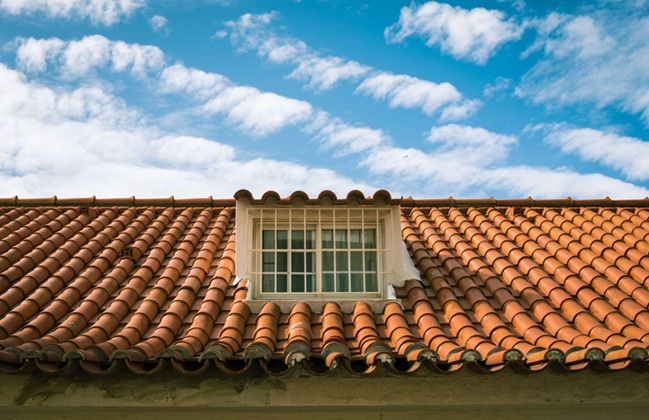
Professionals also carry the right safety equipment and insurance to work at height without unnecessary risk, and they have access to proper roofing materials matched to your specific roof type, whether that’s tile, metal, or another material. Perhaps most importantly, a professional repair typically comes with a workmanship guarantee, giving homeowners peace of mind that if the issue recurs, it will be addressed without additional cost.
Weighing Cost Against Long-Term Value
It’s easy to focus purely on upfront cost when comparing DIY and professional roof repairs, but this often overlooks the bigger picture. A DIY patch that fails within a few months may end up costing more in the long run, particularly if water damage has spread to insulation, ceiling plaster, or structural timber in the meantime. Professional repairs, while more expensive initially, are far more likely to resolve the issue completely the first time, avoiding the cycle of repeated, ineffective fixes.
When to Call a Professional Without Hesitation
Some situations warrant professional intervention regardless of your DIY confidence or budget concerns. These include leaks following a major storm, visible sagging in the roofline, signs of mould or persistent damp inside the home, multiple leaks appearing simultaneously, or any situation involving roofing materials you’re unfamiliar with, such as older asbestos-containing products that require specialised handling.
Making the Right Call for Your Situation
Ultimately, the decision comes down to an honest assessment of the leak’s severity, your own skill level, and your comfort working at height. A small, clearly identifiable issue might be a reasonable weekend project. Anything larger, recurring, or unclear in origin is almost always better left to professionals who can properly diagnose and resolve the root cause, rather than simply treating the symptom.
Final Thoughts
A leaking roof is not the place to gamble on guesswork. While minor issues can sometimes be handled with a confident DIY approach, the risks of misdiagnosis, safety hazards, and recurring damage mean that professional help is often the smarter long-term investment. For homeowners uncertain about the scale of the problem, getting an expert assessment early can save significant time, money, and stress down the track.
For those wanting a proper inspection and lasting repair rather than a temporary patch, reaching out to a trusted local team like Brisbane Roof and Paint is a sensible next step.