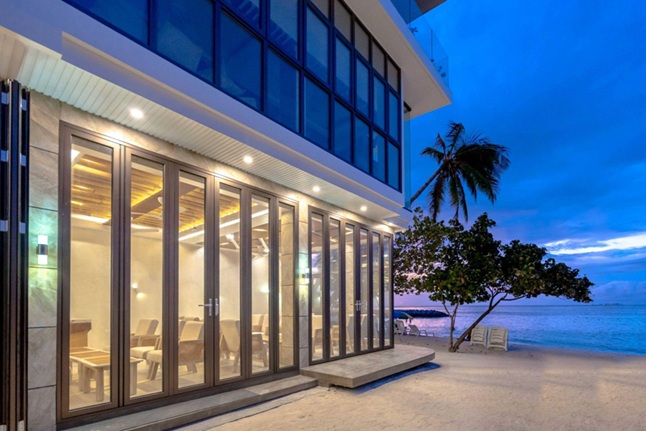

When it comes to designing a modern home, few decisions have as much impact on both style and function as choosing the right door system for your outdoor living connection. Stacking doors and bi-fold doors are two of the most popular options for homeowners wanting to open up their living spaces to alfresco areas, patios, or backyards. Both offer a seamless indoor-outdoor flow, but they operate very differently, and the right choice depends on your home’s layout, your budget, and how you plan to use the space.
If you’re renovating or building new and trying to decide between these two door styles, here’s a detailed breakdown to help you make the right call.
Understanding How Each Door System Works
Before comparing the pros and cons, it helps to understand exactly how each system functions, since the mechanics directly affect the way the doors look, operate, and perform over time.
- Stacking doors consist of large glass panels that slide along a track and stack neatly to one side (or both sides) of the opening, similar to how you’d push curtains aside.
- Bi-fold doors are made up of narrower panels connected by hinges that fold concertina-style against each other as they open, much like an accordion.
- Both systems can span very wide openings, but they achieve that width in fundamentally different ways — one through sliding motion, the other through folding motion.
- Track design also differs: stacking doors typically use a simpler top-and-bottom track, while bi-fold doors often need a more robust track system to support the hinged panels.
Understanding these mechanical differences is the first step in figuring out which system will suit your home’s specific opening and lifestyle needs.
Stacking Doors: Sleek, Simple, and Space-Efficient
Stacking doors have become increasingly popular in contemporary Australian homes, particularly for large open-plan living areas that connect to outdoor entertaining zones. Their appeal comes down to a clean, minimalist look paired with practical everyday functionality.
- Stacking doors offer expansive, uninterrupted glass panels, giving you clear views and plenty of natural light even when the doors are closed.
- When open, the stacked panels sit compactly to one side, taking up less depth than a bi-fold system and freeing up more usable floor space near the opening.
- The sliding motion tends to be smoother and requires less physical effort than folding multiple hinged panels, which makes stacking doors a popular choice for households with children or elderly residents.
- Maintenance is generally simpler, since there are fewer hinges and moving joints compared to a bi-fold configuration.
- Stacking doors pair particularly well with modern, minimalist architecture where large, flat glass surfaces are a key design feature.
For homeowners chasing a streamlined, low-maintenance look with excellent everyday usability, stacking doors are hard to beat.
Bi-Fold Doors: Maximum Openness and Flexibility
Bi-fold doors have long been a favourite for homeowners wanting to fully open up an entire wall to the outdoors. Their folding design allows for a dramatic transformation of the space, effectively removing the boundary between indoor and outdoor living.
- Bi-fold doors can open up almost the entire width of an opening, creating a true wide-open threshold between indoor and outdoor areas.
- The concertina folding action allows for flexible partial openings too, so you can open just one or two panels for ventilation without exposing the whole space.
- Bi-fold systems often suit homes with a more traditional or transitional design aesthetic, where the segmented panel look complements existing architectural details.
- Because the panels fold and stack against the frame, they typically need a slightly deeper stacking zone, which is worth factoring into your floor plan.
- With more hinges and moving parts, bi-fold doors may require more regular maintenance to keep the folding action smooth over time.
Bi-fold doors are ideal for homeowners who want the most dramatic full-width opening and the flexibility of adjustable partial access.
Comparing Performance: Stacker vs. Sliding Doors and Bi-Folds
When weighing up Stacker vs. Sliding Doors and bi-fold configurations, performance factors like weather sealing, energy efficiency, and long-term durability also come into play.
- Stacking doors generally offer better weather sealing since there are fewer joints and gaps compared to multi-panel bi-fold systems.
- Bi-fold doors, with their multiple hinge points, can be more prone to minor air or water infiltration over time if not properly maintained.
- Both systems can be fitted with high-quality aluminium framing and double glazing to improve thermal performance and energy efficiency.
- Stacking doors tend to have a slight edge in insulation performance, making them a strong option for homes prioritising energy efficiency.
- Bi-fold doors, however, offer superior flexibility for partial ventilation, which can be a genuine advantage in milder climates.
Ultimately, both systems can perform well when installed correctly with quality materials — the right choice often comes down to how you intend to use the opening day to day.
Cost and Installation Considerations
Budget is always a key factor in any renovation or new build decision, and the cost difference between these two systems can be significant depending on the size and complexity of the installation.
- Bi-fold doors are often more expensive than stacking doors of a comparable size, due to the additional hinges, panels, and more complex track systems required.
- Stacking doors, with their simpler mechanism, can be a more cost-effective option for larger openings without sacrificing style.
- Installation complexity also varies — bi-fold systems generally require more precise alignment across multiple panels, which can extend installation time.
- Long-term costs should also be considered, including servicing, hardware replacement, and potential repairs, which tend to be lower for stacking door systems.
So, Which Is Better for Your Modern Home?
There’s no single “correct” answer — the best choice depends on your home’s layout, design style, and how you plan to use the space:
- Choose stacking doors if you want a sleek, minimalist look, easier day-to-day operation, and strong weather performance.
- Choose bi-fold doors if you want the most dramatic full-width opening and the flexibility of partial ventilation options.
- Consider your climate, budget, and the architectural style of your home before making a final decision.
- Speak with a qualified installer who can assess your specific opening and recommend the system that will perform best for your needs.
Get Expert Guidance for Your Door Installation
Choosing between stacking and bi-fold doors is a decision that will shape how you use and enjoy your home for years to come, so its worth getting professional advice tailored to your specific space, budget, and lifestyle.
If you’re weighing up your options and want expert guidance on the best door system for your renovation or new build, the team at Aussie Aluminium Enterprise can help you choose and install the right solution for a modern, functional, and beautiful home.