
A well-designed home is rarely about having the most expensive furniture or the biggest rooms. Often, it is the smaller visual details—the artwork above a sofa, a welcoming sign near the entrance, or a carefully chosen print in a hallway—that give a space its personality.
Wall art can change how a room feels almost instantly. The right piece can make a plain wall feel intentional, introduce color into a neutral room, or reinforce an interior style such as modern, minimalist, Japandi, rustic, or contemporary. But finding artwork that fits your exact space is not always easy. Sometimes the colors are wrong, the proportions do not work, or the design simply feels too generic.
That is where creating your own artwork can be surprisingly useful. With an AI poster maker, homeowners and DIY decorators can experiment with poster concepts, layouts, typography, and visual themes without needing advanced graphic design skills. Instead of searching endlessly for something that almost works, you can start with the look and atmosphere you actually want.
Start With the Room, Not the Artwork
One of the most common decorating mistakes is choosing wall art in isolation.
Before creating or buying anything, look at the room as a whole. What colors already appear in the furniture, curtains, rugs, flooring, and accessories? Is the space warm and cozy, or bright and minimalist? Does it have strong architectural features that the artwork should complement rather than compete with?
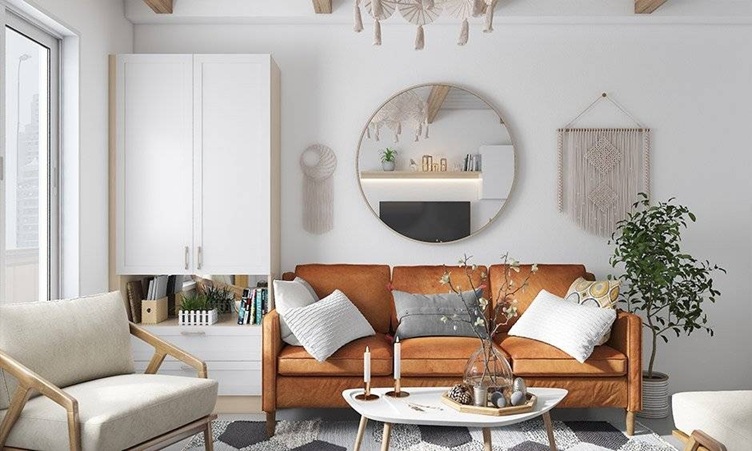
For example, imagine a living room with beige walls, natural wood furniture, cream upholstery, and a few green plants. A poster featuring earthy greens, muted brown, and soft off-white could reinforce the existing palette beautifully. A highly saturated neon design, on the other hand, might feel disconnected even if it looks attractive on its own.
Think of wall art as part of the room’s visual conversation.
Match the Poster to Your Interior Style
Different interior styles call for different approaches to artwork.
Modern interiors
Modern rooms often benefit from clean lines, restrained color palettes, geometric forms, and generous negative space. A simple typographic composition or abstract design can work particularly well.
Avoid overcrowding the wall. One strong piece can have more impact than several unrelated prints competing for attention.
Japandi and minimalist spaces
For calm interiors, subtlety matters. Consider botanical shapes, soft landscapes, architectural sketches, or understated typography. Neutral tones such as warm white, charcoal, sand, muted green, and natural brown can maintain the peaceful atmosphere associated with minimalist design.
The goal is not to make the artwork disappear. It should add interest without disturbing the room’s sense of calm.
Rustic and farmhouse-inspired homes
Natural textures, vintage-inspired typography, botanical illustrations, and simple countryside imagery can complement rustic interiors. You might create artwork around themes such as gardens, local landscapes, family traditions, or simple motivational phrases.
A slightly imperfect or handcrafted visual style can make the finished piece feel warmer than something that looks overly polished.
Contemporary homes
Contemporary spaces give you more freedom to experiment. Large-scale abstract artwork, dramatic photography-inspired compositions, bold typography, or unusual color combinations can become a focal point.
If the rest of the room is relatively restrained, an expressive poster can provide exactly the contrast it needs.
Typography Can Make Artwork Personal
Not every poster needs to feature an elaborate illustration.
Words can be powerful decorative elements when used thoughtfully. A short phrase, family saying, favorite quotation, or even the name of a meaningful place can turn an ordinary print into something personal.
For a home office, you might choose a concise phrase that reinforces focus and creativity. In a kitchen, a playful food-related message could add personality. A bedroom might benefit from something quieter and more reflective.
Keep typography readable and avoid using too many fonts. One or two complementary typefaces are usually enough.
Create Artwork for the Spaces You Usually Ignore
When decorating, people naturally focus on major rooms. Yet smaller areas can make a home feel much more finished.
Consider creating artwork for:
- Entryways and mudrooms
- Hallways
- Staircase walls
- Reading corners
- Home offices
- Guest bedrooms
- Above small consoles
- Empty spaces beside wardrobes
- Breakfast nooks
These areas are excellent opportunities for personalized designs because they often do not require large or expensive pieces.
A small poster near an entryway, for instance, can establish the mood of the entire home before someone even enters the main living area.
Think Beyond Decoration
Custom posters can also serve practical purposes.
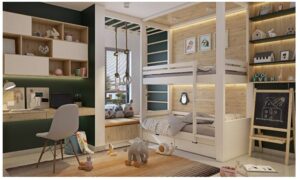
A family command center could include a visually appealing weekly schedule. A children’s study area might use educational prints featuring numbers, maps, animals, or inspirational messages. A home office could display project goals or a simplified creative brief.
The key is to make functional information attractive enough that it feels like part of the interior rather than an afterthought.
This approach is particularly useful in smaller homes, where every visible object contributes to the overall appearance of the room.
Print Quality Matters
Once you have settled on a design, pay attention to how it will actually look on paper.
A design that appears sharp on a phone screen may not produce the same result when enlarged. Choose an appropriate resolution and make sure the dimensions match the intended print size.
Paper also changes the character of the finished artwork. Matte paper generally produces a softer, more sophisticated appearance, while glossy finishes can make colors appear more vivid. For artwork displayed under strong lighting, matte surfaces can also reduce distracting reflections.
If you are framing the piece, remember to account for the frame and any matting when deciding the final dimensions.
Make Your Wall Art Feel Like It Belongs
The best home decoration does not necessarily announce itself. It feels as though it naturally belongs in the space.
Before finalizing a poster, ask yourself three questions:
Does it suit the room?
The artwork should support the existing interior rather than fight against it.
Does it have enough visual impact?
Even minimalist artwork needs a clear focal point, especially when displayed on a large wall.
Does it mean something to you?
A personal connection often makes decorative choices feel more authentic.
These questions can prevent the common problem of decorating simply because a wall looks empty.
A Simple Weekend Project
Creating personalized wall art can also become an enjoyable home project rather than another decorating chore.
Start by choosing one room and photographing the wall you want to improve. Identify the dominant colors, measure the available space, and decide whether you want something abstract, typographic, botanical, architectural, or personal.
Create several concepts instead of settling immediately on the first idea. Compare them in the context of the room, then refine the strongest option. Finally, print a test version at a smaller size before committing to the final piece.
This process costs little, encourages creativity, and gives you a much better chance of ending up with artwork that genuinely suits your home.
Final Thoughts
Good wall art is not simply something attractive to hang on an empty wall. It can reinforce an interior style, introduce color, tell a story, and make a room feel distinctly yours. Whether your home leans toward modern simplicity, cozy rustic decoration, Japandi calm, or contemporary design, personalized artwork gives you another way to bring the space together.
The most successful approach is to start with the room, understand its proportions and palette, and then create something that complements what is already there. A thoughtful piece of artwork can be a small addition, but its effect on the character of a home can be surprisingly large.