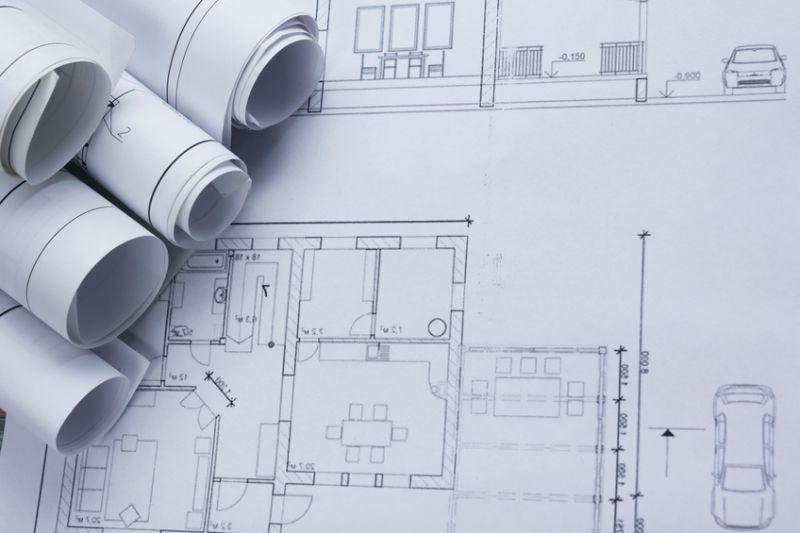

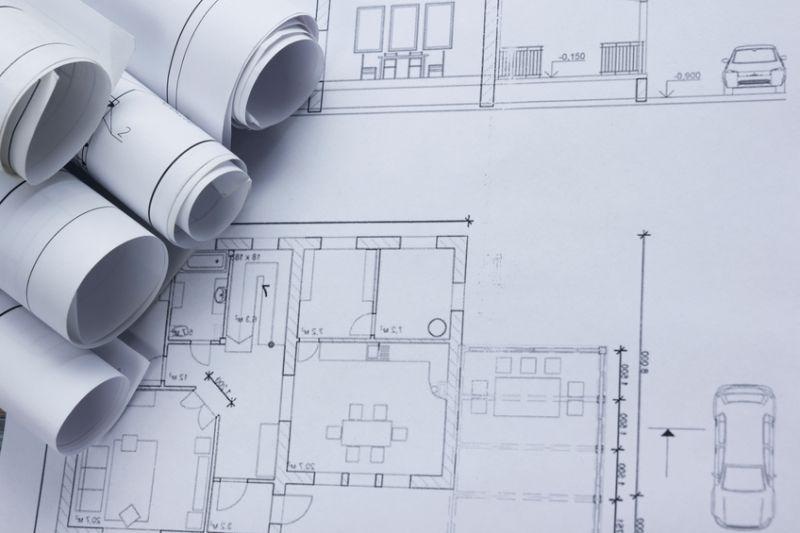
Architecture has constantly pondered the way humans live, count on, and interact with the sector round them. From ancient stone temples to trendy, clever houses, each era has brought new ideas, substances, and creation strategies. Today, shape isn’t always handiest about developing stunning homes but furthermore about enhancing comfort, sustainability, and capability.
Understanding how structure has modified through the years, KDAInteriorment allows house owners, designers, university college students, and companies to appreciate the evolution of layout while making better alternatives for future initiatives. As lifestyles keep evolving, structure adapts to fulfill changing goals, combining creativity with technology in methods that have been as fast as not feasible.
The Early Days of Architecture
Thousands of years inside the beyond, structure focused in particular on survival. Early human beings constructed easy shelters using a few materials that were available close by. Wood, dust, stone, and animal skins fashioned the primary houses that protected households from the climate and wild animals.
As civilizations became superior, homes became bigger and further prepared. Ancient cultures understood that structure can also represent electricity, faith, and social reputation. Massive temples, pyramids, and palaces have been cautiously designed to showcase engineering abilities and cultural identification.
Many of those ancient structures nonetheless stand in recent times, proving that thoughtful planning and exceptional craftsmanship can ultimate for loads of years.
Classical Architecture Changed Design Forever
The classical duration added stability, symmetry, and share into structure. Builders studied arithmetic and geometry to create structures that appeared stylish at the same time as being structurally robust.
During this era, architects focused on:
- Symmetrical building layouts
- Decorative columns
- Large courtyards
- Stone production
- Public collecting areas
Many government homes, museums, and educational establishments around the world borrow from classical architecture because of its undying appearance.
Medieval Architecture Focused on Strength
As kingdoms prolonged, shape shifted toward safety and religion. Castles, forts, and church houses ruled landscapes throughout many regions.
Buildings have grown to be thicker, taller, and more protective. Stone walls, towers, narrow windows, and fortified entrances included communities within the route of uncertain times.
Religious architecture, moreover, flourished. Large cathedrals featured sure carvings, stained glass windows, and high ceilings that inspired web page traffic via each painting and engineering.
The Renaissance Brought Creativity Back
The Renaissance marked surely one of the most crucial turning points in architectural history. Designers began analyzing historic Roman and Greek systems at the same time as introducing sparkling, imaginative thoughts.
Buildings have emerged as brighter, more decorative, and higher proportioned. Architects paid close attention to herbal mild, open regions, and saw concord.
This length recommended innovation and established structure as every generation and an artwork. TheThe
Industrial Revolution Changed Construction Forever
One of the most dramatic changes in shape happened during the course of the Industrial Revolution.
Instead of relying handiest on stone and wood, developers obtained get proper of entry to to:
- Steel
- Iron
- Glass
- Reinforced concrete
These materials allowed architects to deliver big buildings collectively in a lot less time.
Factories, railway stations, bridges, and industrial agency homes transformed city skylines. Elevators furthermore made skyscrapers feasible, converting how people lived and labored in growing town centers.
Without the Industrial Revolution, modern cities would look simply specific.
Modern Architecture Emphasized Simplicity
By the 20 th century, structure moved far from heavy decoration. Designers believed that homeowners want to prioritize function over needless ornamentation.
Modern architecture added:
- Clean lines
- Open floor plans
- Large home windows
- Flat roofs
- Minimal ornament
This layout philosophy created brighter interiors with higher ventilation and natural light.
Many residential homes are constructed these days, even though they comply with the old idea,s due to the reality that they maximize value while retaining a simple look.
Technology Has Revolutionized Architecture
One of the biggest reasons structure keeps to conform is technology.
Architects do not depend solely on paper drawings. Instead, a superior software program allows them to create particular digital models earlier than the introduction even starts.
The modern era consists of:
- three-dimensional architectural modeling
- Building Information Modeling (BIM)
- Virtual Reality walkthroughs
- Drone net web page surveys
- Artificial Intelligence for planning
These upgrades lessen production mistakes, enhance communication amongst organizations, and assist customers in visualizing responsibilities before artwork begins offevolved.
Technology has made structure quicker, more accurate, and extra rate-effective than ever before.
Sustainable Architecture Is the Future
Environmental recognition has turned out to be considered one of the largest impacts on modern-day form.
Instead of actually building attractive homes, architects are now awareness on reducing environmental effects.
Sustainable shape regularly includes:
- Solar panels
- Rainwater harvesting
- Energy-green lighting fixtures
- Green roofs
- Natural air float
- Recycled building substances
These capabilities lessen power intake while developing healthier dwelling environments.
As weather concerns keep developing, green shape is expected to grow to be the equal alternative in choice to the exception.
Smart Homes Are Changing Residential Design
Technology has moreover converted how houses are featured.
Today’s smart homes include computerized structures that enhance comfort and performance.
Popular smart home functions encompass:
- Voice-controlled lights
- Smart protection systems
- Automated curtains
- Energy tracking
- Remote temperature control
- Intelligent domestic system
Architects now plan spaces with that technology in mind, ensuring houses stay adaptable for destiny improvements.