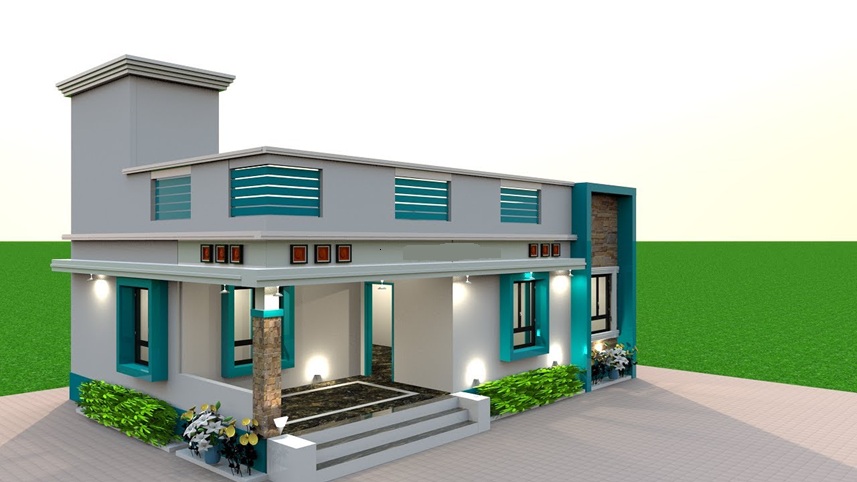
Buying a residence is actually one of the biggest economic choices most people will make in their lifetime. A domestic is greater than really an area to live—it’s far an investment, a supply of safety, and an extended-time period asset that would increase in price through the years. However, the home-shopping experience can be overwhelming, specifically for first-time customers.
Why Buying a House Is Important
Owning a home offers several blessings incomparable to renting.
Some key advantages include:
- Building long-term equity
- Greater economic stability
- Freedom to personalize your own home
- Potential tax benefits
- Investment growth over time
- Sense of protection and possession
While searching for a home calls for a good-sized commitment, it could provide long-term financial rewards.
Step 1: Evaluate Your Financial Situation
Before starting your own home are seeking for, take a look at your finances cautiously.
Review Your Income
Calculate your:
- Monthly earnings
- Existing debts
- Savings
- Regular expenses
Lenders use these records to decide how an lousy lot you could borrow.
Check Your Credit Score
Your credit rating score plays a high-quality position in loan approval and interest rates.
| Credit Score Range | Mortgage Impact |
|---|---|
| 750+ | Excellent rates |
| 700-749 | Good rates |
| 650-699 | Average rates |
| Below 650 | Higher interest rates |
A higher credit score rating can save loads of bucks over the life of a loan.
Step 2: Determine Your Budget
Knowing your fee range allows narrow down the property you are attempting to find.
Consider These Costs
| Expense | Description |
|---|---|
| Down Payment | Initial payment toward the home |
| Mortgage Payments | Monthly loan installments |
| Property Taxes | Local government taxes |
| Insurance | Homeowners insurance |
| Maintenance | Repairs and upkeep |
| Utilities | Electricity, water, internet, etc. |
Financial experts frequently propose preserving housing prices below 30% of your monthly income.
Step 3: Save for a Down Payment
Most lenders require a down payment at the same time as purchasing a home.
Common Down Payment Amounts
| Home Price | 10% Down Payment | 20% Down Payment |
|---|---|---|
| $200,000 | $20,000 | $40,000 |
| $300,000 | $30,000 | $60,000 |
| $500,000 | $50,000 | $100,000 |
A large discount generally results in:
- Lower month-to-month payments
- Better mortgage terms
- Reduced interest prices
Step 4: Get Pre-Approved for a Mortgage
Mortgage pre-approval enables you to understand how a notable deal a lender is willing to lend.
Benefits of Pre-Approval
- Shows sellers you’re an important patron
- Defines your fee variety
- Speeds up the search for an approach
- Strengthens your provide
Documents Usually Required
- Income proof
- Tax returns
- Bank statements
- Employment information
- Identification files
Pre-approval offers you a practical image of your trying to find electricity.
Step 5: Choose the Right Location
Location is one of the most vital factors when trying to find a house.
Things to Consider
- School first-rate
- Crime expenses
- Job possibilities
- Public transportation
- Healthcare centers
- Future development plans
A great vicinity can increase assets rate through the years.
Step 6: Create a Home Wishlist
Before touring houses, determine what abilities count range maximum.
Must-Have Features
| Feature | Importance |
|---|---|
| Number of Bedrooms | High |
| Bathrooms | High |
| Parking Space | Medium |
| Backyard | Medium |
| Home Office | Depends on needs |
| Nearby Schools | Important for families |
Prioritize crucial needs over priceyaabilitiess.
Step 7: Hire a Real Estate Agent
A qualified real property agent can simplify the shopping process.
How an Agent Helps
- Finds suitable houses
- Schedules viewings
- Negotiates charges
- Handles paperwork
- Guides you through jail approaches
Experienced marketers frequently save shoppers’ money and time.
Step 8: Start House Hunting
Visit more than one house in advance before you make a decision.
What to Inspect
- Roof situation
- Plumbing
- Electrical systems
- Flooring
- Windows
- Foundation
Take notes and pictures to check houses later.
Questions to Ask
- Why is the proprietor selling?
- How long has the property been on the market?
- Are there current renovations?
- What are the network costs?
Gathering records allows you’re making a assured choice.
Step 9: Make an Offer
Once you discover the right domestic, submit a proposal.
Factors Affecting Your Offer
| Factor | Influence |
|---|---|
| Market Conditions | High |
| Property Condition | High |
| Comparable Sales | High |
| Seller Motivation | Medium |
Your real property agent can help decide a sincere offer price.
Step 10: Negotiate the Purchase Price
Negotiation regularly plays a main role in domestic seeking out.
Possible negotiation factors consist of:
- Sale charge
- Repair costs
- Closing expenses
- Appliances
- Move-in dates
A fulfillment negotiation can bring big money.
Step 11: Schedule a Home Inspection
Never bypass an expert inspection.
What Inspectors Examine
- Structural integrity
- Roof scenario
- Electrical wiring
- Plumbing structures
- HVAC systems
- Pest harm
Benefits of Inspection
| Benefit | Explanation |
|---|---|
| Identifies Issues | Finds hidden problems |
| Saves Money | Prevents costly surprises |
| Supports Negotiation | Helps request repairs |
| Provides Confidence | Reduces risks |
An inspection can display issues that aren’t seen during a routine viewing.
Step 12: Secure Final Mortgage Approval
After the inspection and preferred offer, finalize your mortgage.
The lender might also require:
- Property appraisal
- Additional financial files
- Verification of employment
Avoid making huge purchases earlier or later in this period, as creditors may additionally assess your financial activity again.
Step 13: Review Closing Documents
Before the very last, carefully study all office artwork.
Key Documents
| Document | Purpose |
|---|---|
| Loan Agreement | Mortgage details |
| Title Documents | Ownership verification |
| Insurance Policies | Property protection |
| Closing Disclosure | Final costs |
Read each file very well before signing.
Step 14: Complete the Closing Process
Closing is the very last step in looking for a house.
During Closing
You will:
- Sign crook documents
- Pay the very last charges
- Transfer ownership
- Receive residence keys
Ultimately, you officially emerge as the property owner.
Common Mistakes to Avoid
Many customers make avoidable mistakes at some stage in the tool.
Mistake 1: Ignoring Hidden Costs
Remember to rate range for:
- Maintenance
- Repairs
- Insurance
- Taxes
Mistake 2: Skipping Inspection
Skipping inspections can cause pricey surprises later.
Mistake 3: Buying Beyond Your Budget
Avoid stretching your fee range too a long way.
Mistake 4: Not Comparing Mortgage Rates
Different creditors can also provide appreciably unique prices.
Mistake 5: Rushing the Decision
Take time to assess every property cautiously.
How Much Money Do You Need to Buy a House?
The amount relies upon:
- Home rate
- Down fee
- Closing prices
- Location
- Mortgage phrases
Example Budget
| Expense | Amount |
|---|---|
| Home Price | $300,000 |
| Down Payment (20%) | $60,000 |
| Closing Costs | $6,000 |
| Inspection | $500 |
| Moving Costs | $1,500 |
Total premature expenses can exceed expectations, so plan for this.
Tips for First-Time Homebuyers
Improve Your Credit Score
Pay payments on time and reduce amazing debt.
Build Emergency Savings
Unexpected maintenance can occur after purchase.
Compare Multiple Lenders
Shopping around can help constant better loan prices.
Think Long-Term
Consider future family and career wishes in advance before deciding on belongings.
Stay Patient
Finding the proper home frequently takes time.
Benefits of Homeownership
Owning a residence offers several long-term advantages.
Financial Benefits
- Builds equity
- Potential appreciation
- Stable housing fees
Personal Benefits
- More privacy
- Greater freedom
- Sense of success
Investment Benefits
- Long-term wealth creation
- Asset diversification
- Potential rental earnings opportunities
Conclusion
Understanding how to shop for a residence should make the complete approach lots less demanding and more profitable. By comparing your charge variety, saving for a down payment, acquiring loan pre-approval, finding locations, and carrying out the right inspections, you can make informed choices ultimately of the journey.
Frequently Asked Questions
How much do I need to have before trying to find a house?
Most clients store sufficient funds for a down payment, remaining expenses, and an emergency fund. A not unusual reason is 10%–20% of the house’s buy price.
What credit score do I need to buy a house?
Many creditors pick a credit score of at least 620, even as better ratings typically qualify for lower interest rates.
How long does it take to buy a residence?
The approach usually takes 30 to 60 days after a suggestion is made, although it is able to vary.
What is mortgage pre-approval?
Pre-approval is a lender’s estimate of the manner a great deal cash you could borrow based on your financial information
Should I use a real property agent?
Yes. A professional agent can assist with belongings searches, negotiations, and office work.
Why is a domestic inspection critical?
A domestic inspection identifies structural or mechanical problems before you complete the acquisition.
What are the final costs?
Closing fees embody lender prices, prison costs, call costs, and distinct costs associated with finalizing the acquisition.
Can I purchase a house with a small down payment?
Yes. Some loan packages permit down payments as low as three%–five%, depending on eligibility.
How do I pick out the right network?
Consider protection, schools, transportation, amenities, and future property price growth.
Is looking for a residence better than renting?
It is based totally on your financial situation and long-term dreams. Homeownership builds equity, while renting gives greater flexibility.